
Travel

Luxury Cruises Departing Singapore: Itineraries You Can Actually Get Excited About

Singapore is a strangely perfect cruise gateway. The airport runs like a Swiss watch, the port is efficient, and within a couple of sea days you can be eating street noodles in Penang, sipping something cold in Phuket, or drifting past Vietnam’s coastline with zero jet lag drama.

And yes, “luxury” gets thrown around. Some of these sailings are genuinely polished: smaller ships, higher crew-to-guest ratios, longer port stays, excursions that don’t feel like a cattle call. Others… are luxury in the same way a business-class seat is “a bed.” Nice, but not transformative.


 Hot take: don’t pick the ship first

Pick the itinerary. Then pick the ship that runs it best.

I’ve seen travelers do the reverse and regret it. The prettiest suite in the world doesn’t fix a route that’s all short port calls and awkward overnight sailing.

So here’s a clearer way to think about Singapore departures: by length, geography, and the kind of experience the itinerary is built for. If you’re comparing luxury cruises from Singapore, this framework will help you choose based on the journey, not just the vessel.

One line, because it matters:

You’re not buying transportation, you’re buying pacing.


 Quick luxury escapes (5, 7 nights): tight routes, high impact

These are the Singapore sailings that work when you want a hit of sea-time without turning your calendar inside out. They tend to loop the Malay Peninsula or dip into Thailand/Vietnam, with fewer long ocean stretches and a lot of “arrive early, leave late” energy if you book the right line.

Common 5, 7 night patterns from Singapore:

Singapore → Penang → Langkawi → Phuket → Singapore

Classic for food and beaches. Penang is the star if you like walking cities.

Singapore → Kuala Lumpur (Port Klang) → Phuket / Krabi area → Singapore

A mix of urban day trips and resort coastlines.

Singapore → Ho Chi Minh City (via Phu My) → coastal Vietnam stop → Singapore

More cultural texture, fewer “pool day” ports.

Now, this won’t apply to everyone, but… on a short sailing I prioritize ports that are close to the pier. A gorgeous destination that requires a 2.5-hour transfer can make a 6-night itinerary feel like a commute.


 What these short sailings do well

They’re built for momentum. You get aboard, you settle in, you wake up somewhere new almost immediately. The better operators also use sea days intelligently: spa programming, chef demos, and quieter lounge entertainment instead of big-theatre spectacle.


 What they don’t do well

Deep immersion. If you want three days in one place, this isn’t that.


 Ultra-luxury Southeast Asia voyages: smaller ships, smarter port choices
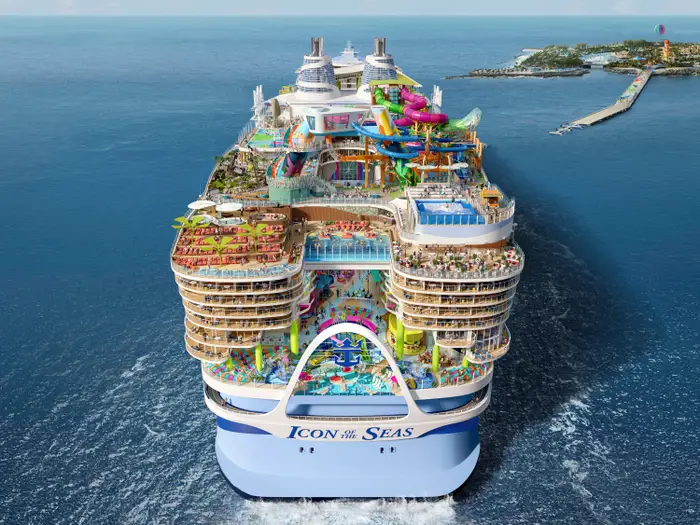
Cruise Holiday

Here’s the thing: Southeast Asia rewards the lines that can dock closer, tender efficiently, and stay longer. That’s why ship size matters more here than it does in, say, the Caribbean.

On many ultra-luxury routes, you’ll see Singapore paired with combinations like:

Thailand (Phuket) + Malaysia (Penang/Langkawi) for coastal ease and food

Vietnam (Ho Chi Minh City, Nha Trang, Da Nang) for history, craft, and architecture

Cambodia (often via Sihanoukville or longer land excursions to Angkor) for the bucket-list cultural day

Hong Kong when the itinerary stretches north

Expect the “luxury” to show up in the seams: private cars instead of big buses, guides who don’t rush you, and excursions that feel curated rather than copy-pasted. The best versions include odd little delights, craft workshops, market walk-throughs that turn into lunch, small performances that aren’t staged like theme parks.

One opinion, based on experience: if a Southeast Asia luxury itinerary includes Halong Bay, pay attention to season and visibility. Mist can be gorgeous… or it can swallow the scenery. You want a line that has contingency planning and realistic timing.


 Grand Asia-to-Asia voyages: Singapore to Hong Kong, Bangkok, Tokyo (and beyond)

These are longer sailings, often 10 nights up to multi-week runs, that treat Singapore as a starting node in a broader Asia network. They’re less “quick escape,” more “structured sabbatical.”

A typical grand-voyage shape might look like this:

– Singapore as embarkation

– A run up through Vietnam and/or China

Hong Kong as a marquee urban port

– A Japan stretch that can end in Tokyo (or sometimes Yokohama)

Another common branch heads west/northwest:

– Singapore → Malaysia → Thailand (Laem Chabang for Bangkok) → Vietnam → Hong Kong


 Planning reality check (specialist mode)

Longer Asia itineraries introduce complexity: immigration requirements, domestic flight positioning if you disembark far from Singapore, and seasonal itinerary changes due to weather. You’re buying a networked trip, not a simple loop.

Also, book shore excursions early on these routes. The best ones, small-group temple access, private after-hours museum visits, chef-led market tours, fill up fast.

A single stat, because people ask: Singapore’s cruise terminal (Marina Bay Cruise Centre) has been designed to handle large passenger volumes, up to 6,800 passengers at a time, according to the Singapore Cruise Centre. That throughput is great for efficiency, but it also explains why embarkation day can feel “busy” on megaships.

Source: Singapore Cruise Centre (MBCC facts and figures)


 Themed sailings: culinary, wellness, and private-island vibes

Not every itinerary is about geography. Some are built around a mood.


 Culinary-forward itineraries

These usually layer experiences like:

– market visits with a chef

– port-focused tasting menus onboard

– pairing dinners featuring regional spirits (yes, including Southeast Asian botanicals and rums)

– occasional cooking classes that are actually hands-on, not just theatre

Look, food can be a gimmick at sea. But when it’s done right, it anchors memory. You’ll remember a bowl of laksa in Penang longer than a generic “pan-Asian buffet night.”


 Wellness-focused sailings

These tend to be quieter by design: more sea-day programming, more sunrise movement sessions, more spa integration. If the ship has a strong thermal suite and smart scheduling, it works beautifully. If it’s just “we added two yoga classes,” it’s fluff.


 Private island / exclusive beach days

In Southeast Asia, “private island” often means a controlled beach experience rather than a whole island you roam freely. Still: fewer vendors, better service logistics, and a calmer shore day. That can feel priceless mid-itinerary.


 Ship types from Singapore: what changes when the ship changes

Not a moral judgment, just physics and logistics.


 Boutique yachts / small ships

– Often better access and more flexible port planning

– More personal service, fewer lines

– Less nightlife spectacle (which is either a relief or a disappointment)


 Mid-size luxury ships

This is the sweet spot for many travelers: enough dining variety and entertainment to keep sea days lively, but not so huge that you feel like you’re navigating a floating mall.


 Megaships with “luxury” tiers

Some offer ship-within-a-ship concepts: private lounges, priority embarkation, dedicated dining. When executed well, it’s a strong value. When executed poorly, you still feel the crowd, you just paid more to avoid it.

One-line paragraph, because it’s true:

Crowd management is part of luxury.


 Cabins: the under-discussed luxury decision

People obsess over restaurants and forget they’ll spend real time in the cabin. On Singapore itineraries, especially shorter ones with packed port days, you want a room that helps you recover fast.

What I’d personally prioritize:

– strong soundproofing (busy ships can be noisy near atriums)

– a bathroom layout that doesn’t bottleneck in the morning

– lighting controls that don’t require an engineering degree

– a balcony if you love sail-ins and sail-outs (Singapore’s departure is genuinely pretty at night)

And yes, the cabin location matters. Midship can reduce motion; near elevators can reduce walking; near nightlife can reduce sleep.

Pick your poison.


 Choosing the right Singapore departure (a practical filter)

If you’re stuck comparing five glossy brochures, use this quick decision grid:

Choose a shorter (5, 7 night) sailing if:

– you want minimal planning and fast payoff

– you care more about comfort than deep cultural time

– your ideal day is “one good excursion + a long lunch + spa”

Choose a longer Asia-to-Asia voyage if:

– you want variety across cultures and cuisine styles

– you don’t mind occasional sea-day stretches

– you’re happy to plan visas, transfers, and contingencies

Choose a themed itinerary if:

– you want the ship’s program to be the main event

– you like structured experiences (chef’s table, wellness tracks, guided tastings)

– you don’t need every port to be a headline destination


 Timing, pricing, and booking hacks (not glamorous, very effective)

Look, this is where people either save serious money or accidentally spend it.

Shoulder seasons often deliver better value and calmer crowds, but Southeast Asia has weather tradeoffs (rain, haze, humidity). Decide what you tolerate.

Inclusions are the real price. Gratuities, port fees, drinks, Wi‑Fi, specialty dining, and excursions can swing the value wildly between “luxury” brands.

Air positioning matters. If your cruise ends in Tokyo or Hong Kong, don’t book the tightest possible flight home. I’ve seen weather and port changes create expensive chaos.

Insurance isn’t optional if the cruise cost is meaningful to you (medical coverage and missed connection protection are the big ones).

And one opinionated note: if a deal looks unbelievable, it’s usually because the itinerary has short port calls, awkward arrival times, or less desirable cabin inventory. Price reflects friction.

Singapore makes it easy to board. The trick is picking a sailing that matches your tempo, restless, curious, food-obsessed, spa-minded, or all of the above depending on the day.
Home Improvement

Types of heavy duty hinges ensure strong industrial door performance.

Heavy duty hinges play a vital role in ensuring stability, safety, and long-term performance of industrial doors. These hinges are designed to handle high loads, frequent operation, and demanding environments such as warehouses, factories, and commercial facilities. Their robust construction helps maintain proper door alignment, reduce wear, and improve operational efficiency. Understanding the different types of heavy duty hinges allows industries to select the right solution for enhanced durability and smooth functionality. Industrial projects rely on types of heavy duty hinges for strong performance.

Importance of Heavy Duty Hinges

Heavy duty hinges are essential components in industrial door systems where strength and reliability are critical. They support heavy doors made from metal, steel, or reinforced materials while ensuring consistent movement and stability. By distributing weight evenly, these hinges prevent sagging and misalignment over time. They also enhance safety by reducing the risk of sudden door failure in high-traffic environments. Additionally, their robust engineering minimizes operational downtime and supports heavy-duty usage cycles without compromising performance. This makes them a preferred choice in environments where reliability and safety are critical.

Types of Heavy Duty Hinges

Different hinge types are used based on load capacity, door design, and operational requirements. Each type contributes uniquely to industrial performance. These variations are engineered to meet specific structural and functional needs across industries.

  • Butt heavy duty hinges: Commonly used for strong door alignment and smooth rotation.
  • Continuous (piano) hinges: Provide uniform support along the entire door length.
  • Ball bearing hinges: Reduce friction and improve long-lasting performance under heavy loads.
  • Weld-on hinges: Ideal for permanent installations requiring maximum strength.
  • Strap hinges: Offer extended support for oversized doors and gates.
  • Spring heavy duty hinges: Enable automatic closing for controlled access areas.

Benefits in Industrial Performance

Heavy duty hinge systems provide multiple advantages that improve overall operational efficiency and durability. They also contribute to smoother workflows and reduce strain on door hardware systems.

  • Enhanced load distribution for heavy structures
  • Improved door alignment and reduced maintenance needs
  • Smooth and quiet operation in busy environments
  • Increased safety and reliability under continuous use
  • Longer service life even in harsh conditions

Applications of Heavy Duty Hinges

These hinges are widely used across industrial and commercial sectors where strength is essential. Each application benefits from improved strength and long-term operational consistency.

  • Factory entry and exit doors
  • Warehouse loading dock doors
  • Industrial machinery enclosures
  • Heavy gates and security doors
  • Commercial infrastructure installations

Conclusion

Heavy duty hinges are fundamental to achieving reliable industrial door performance. Their variety of types ensures suitability for different load requirements, environments, and operational demands. By selecting the right hinge design, industries can significantly enhance safety, durability, and efficiency. These components not only support heavy structures but also ensure smooth and consistent movement over long periods. As a result, they remain a crucial element in modern industrial infrastructure where performance and reliability are top priorities. In addition, their adaptability across various door sizes and materials ensures consistent performance in evolving industrial environments, making them a dependable component in modern infrastructure development and long-term facility optimization strategies.

Shopping

Functional Beauty Stations Supporting Daily Salon Workflow Efficiency Smoothly

Functional beauty stations are essential for creating organized and productive salon environments. Well-designed workstations help beauty professionals perform services efficiently while maintaining a clean, stylish, and welcoming atmosphere. By combining smart storage solutions, ergonomic layouts, and modern aesthetics, beauty stations can greatly improve daily salon workflow and enhance the overall client experience.

Organized Workspaces for Better Efficiency

Functional beauty stations help salons maintain organized work areas where tools and products remain easily accessible throughout the day. Efficient layouts allow beauty professionals to move smoothly between services without unnecessary interruptions.

Benefits of organized beauty stations include:

  • Faster access to styling tools and supplies
    • Reduced clutter within workspaces
    • Improved daily task management
    • Smoother appointment transitions
    • Better time efficiency during busy schedules

Well-structured stations help create productive salon environments that support consistent workflow performance.

Smart Storage Solutions for Salon Essentials

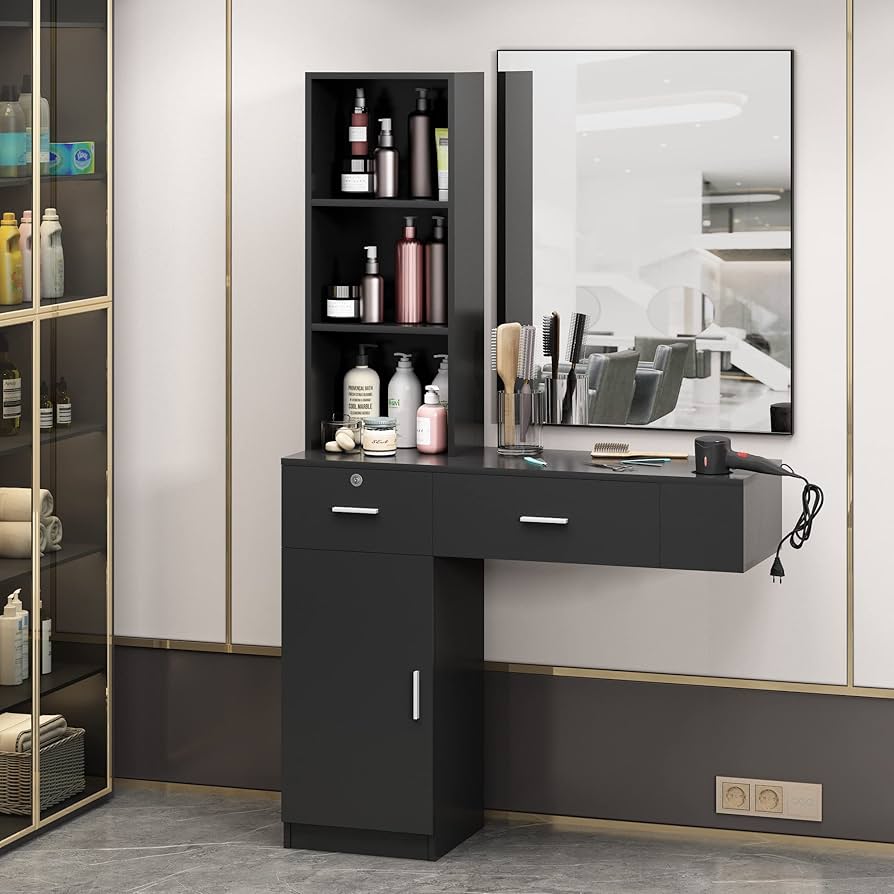
Salon Stations

Modern beauty stations often include storage features that help professionals keep products and equipment neatly arranged. Smart organization supports efficiency while maintaining clean and polished salon interiors.

Useful storage features may include:

  • Spacious drawers for styling tools
    • Shelving for beauty products and accessories
    • Compartments for organized equipment placement
    • Easy-access storage for daily essentials
    • Hidden storage options for cleaner appearances

Effective storage systems help salons maintain professional and visually appealing workspaces.

Ergonomic Layouts for Comfortable Workflow

Functional beauty stations support comfortable working conditions by providing ergonomic layouts that improve movement and accessibility. Well-planned workstation designs help beauty professionals perform services with greater ease.

Ergonomic advantages often include:

  • Convenient tool placement for easier access
    • Comfortable workstation heights for daily tasks
    • Better mobility during styling services
    • Reduced physical strain during long appointments
    • Efficient positioning for precision work

Comfortable workspaces help beauty professionals maintain productivity throughout demanding schedules.

Stylish Designs That Enhance Salon Interiors

Beauty stations also contribute to the visual appeal of salon interiors. Modern workstation designs help create elegant environments that reflect professionalism and creativity.

Popular design elements often feature:

  • Sleek and contemporary finishes
    • Minimalist workstation designs
    • Coordinated colors that match Salon Stations
    • Elegant textures and materials
    • Professional and polished appearances

Stylish beauty stations help salons create welcoming spaces that leave lasting impressions on clients.

Supporting Smooth Daily Operations

Functional stations improve overall salon workflow by helping beauty professionals stay organized and focused during appointments. Efficient workstation layouts encourage seamless daily operations.

Workflow-enhancing benefits include:

  • Faster preparation between clients
    • Improved organization during busy hours
    • Better coordination of salon services
    • Increased productivity throughout the day
    • More efficient use of salon space

Smooth workflows help salons provide consistent and high-quality customer experiences.

Durable Features for Busy Salon Environments

Professional salon workspaces require beauty stations designed to handle daily activity while maintaining functionality and appearance. Durable construction supports long-term performance and reliability.

Reliable workstation features may include:

  • Strong materials for lasting durability
    • Easy-to-clean surfaces for hygiene maintenance
    • Scratch-resistant finishes for daily use
    • Stable construction for dependable support
    • Long-lasting storage components

Durable beauty stations help maintain organized and attractive salon interiors over time.

Creating Positive Client Experiences

Functional beauty stations contribute to a more comfortable and professional atmosphere for clients. Organized workspaces create a sense of cleanliness, efficiency, and attention to detail.

Positive client experience benefits include:

  • Clean and welcoming salon surroundings
    • Professional presentation during services
    • Relaxing and organized environments
    • Smooth appointment experiences
    • Increased customer confidence and satisfaction

Thoughtfully designed beauty stations help salons deliver exceptional experiences while supporting efficient daily workflow operations.

Digital Marketing

Deliver Consistent Results with Support from Digital Marketing Agency

Achieving consistent marketing performance requires structured planning, continuous optimization, and expert-driven execution. With support from a digital marketing agency, companies can build reliable systems that maintain steady growth, improve engagement, and strengthen overall brand presence across digital platforms. This collaboration ensures that every marketing effort contributes meaningfully to long-term success.

Building a Strong Strategic Foundation

A consistent output begins with a well-organized strategy that aligns with business objectives.

  • Define clear and measurable marketing goals
  • Identify high-potential audience segments
  • Create structured multi-channel plans
  • Develop unified messaging across all platforms
  • Align content themes with user expectations
  • Prioritize high-impact marketing activities

Enhancing Content Consistency and Quality

Agencies help maintain a steady flow of valuable content that keeps audiences engaged. Business success accelerates with a dynamic agency Θεσσαλονίκη providing tailored solutions and continuous marketing optimization.

  • Produce regularly scheduled content across platforms
  • Maintain consistent tone and messaging style
  • Develop topic clusters for deeper audience engagement
  • Add educational and informative insights in each piece
  • Use structured formatting for better readability
  • Include engaging visuals and interactive elements

Strengthening Campaign Stability

Consistent campaign performance ensures predictable and scalable results.

  • Optimize campaigns using performance insights
  • Adjust targeting for improved audience relevance
  • Test variations to identify best-performing approaches
  • Monitor engagement metrics continuously
  • Allocate resources to high-performing channels
  • Maintain steady ad performance through refinements

Improving Multi-Channel Coordination

A unified approach across channels enhances visibility and reinforces messaging.

  • Synchronize messaging across all digital platforms
  • Ensure smooth user experience across devices
  • Maintain consistent posting schedules
  • Align social, search, and email efforts
  • Integrate campaigns for stronger impact
  • Track user behavior across multiple touchpoints

Enhancing Data-Driven Decision Making

Agencies use analytics to ensure every decision supports consistent improvement.

  • Track user engagement and conversion patterns
  • Analyze performance trends for optimization
  • Identify successful content and campaign formats
  • Use insights to refine targeting strategies
  • Monitor audience behavior changes
  • Apply data-backed adjustments regularly

Optimizing Efficiency and Execution

Streamlined workflows help maintain consistency without overburdening internal teams.

  • Automate repetitive marketing tasks
  • Improve coordination between teams and channels
  • Standardize reporting formats for clarity
  • Allocate tasks based on expertise and priority
  • Reduce delays through structured processes
  • Enhance productivity through clear planning

Ensuring Long-Term Performance Stability

Sustained results come from continuous refinement and proactive improvements.

  • Refresh content to maintain relevance
  • Expand successful campaigns into new areas
  • Strengthen high-performing strategies
  • Identify gaps and address performance drops quickly
  • Introduce new engagement methods regularly
  • Maintain flexible strategies for changing needs

Increasing Engagement Consistency

Consistent interaction builds stronger relationships with audiences.

  • Maintain regular communication with target users
  • Encourage interaction through engaging content formats
  • Provide valuable insights that solve user needs
  • Strengthen retention through personalized experiences
  • Improve response strategies across platforms
  • Build trust through reliable messaging and updates

With the structured support of a digital marketing agency, companies can achieve consistent and dependable results across all marketing efforts. Through strategic planning, data-driven insights, and continuous optimization, businesses create a stable foundation for sustained engagement, improved visibility, and long-term growth.

LAW

Winning Support for MCA Contract Dispute Protection

Winning support for MCA Contract Dispute Protection is an empowering approach for business owners seeking clarity, structure, and confidence in managing financial obligations. With the right guidance and organized strategies, companies can maintain stability while addressing contractual concerns in a balanced and forward-looking way. This approach encourages constructive communication, responsible planning, and practical solutions that help strengthen overall business health. By focusing on informed decision-making, organizations can turn complex situations into manageable pathways that support long-term growth and resilience. Such a proactive perspective ensures steady progress and improved confidence in handling complex financial arrangements within business operations.

Understanding MCA Contract Dispute Protection

Understanding MCA Contract Dispute Protection involves creating a structured framework that supports clarity between parties while ensuring obligations are managed responsibly. Businesses benefit from a balanced approach that focuses on transparency, documentation, and consistent communication. This foundation helps reduce uncertainty and promotes smoother resolution processes. With proper organization and awareness, companies can navigate financial commitments more effectively, ensuring that each step is aligned with long-term stability and operational confidence. Strong internal systems and well-defined processes further enhance efficiency, helping businesses stay organized while maintaining positive engagement with all stakeholders involved in the resolution process.

Building a Strong Support Strategy

Building a Strong Support Strategy focuses on proactive planning, clear communication channels, and reliable documentation systems. A well-structured approach helps businesses maintain control while addressing contractual challenges with confidence. In many cases, organizations benefit from expert guidance and collaborative methods, including negotiating merchant cash advance debt legally, which supports fair and balanced outcomes while maintaining professional relationships.

Key Benefits of Structured Resolution Approach

Key Benefits of Structured Resolution Approach include improved clarity, reduced misunderstandings, and enhanced decision-making capacity. Businesses gain the advantage of predictable planning and better financial alignment when adopting structured methods. This approach also supports stronger communication and encourages cooperative problem-solving, allowing organizations to maintain focus on growth and operational efficiency. By emphasizing organization and accountability, companies can handle contractual matters with greater confidence and stability. This structured approach also encourages adaptability, allowing organizations to respond effectively to changing financial situations while preserving stability and reinforcing trust across all levels of operation.

Practical Steps for Better Outcomes

Practical Steps for Better Outcomes involve maintaining organized records, ensuring timely communication, setting clear expectations, and engaging in structured discussions. These steps help create a positive environment where resolutions can be achieved efficiently and with mutual understanding.

  • Maintain transparent documentation practices
  • Foster consistent and respectful communication
  • Encourage proactive planning and review
  • Support collaborative resolution discussions
  • Strengthen long-term financial clarity

Positive Path Toward Financial Stability

Winning support for MCA Contract Dispute Protection ultimately empowers businesses to move forward with confidence and stability. By adopting structured strategies and maintaining open communication, organizations can achieve fair and constructive outcomes. A disciplined approach ensures smoother financial management and stronger operational focus, allowing companies to build resilience and sustain long-term progress in an evolving business environment.