
Business

Evaluate Nitrogen Generation Technologies for Reliability and Operational Efficiency

Nitrogen generation technologies have become essential for a wide range of industries, from food processing to pharmaceuticals, where nitrogen is used for various purposes such as blanketing, packaging, and creating controlled atmospheres. Reliability and operational efficiency are critical factors in assessing these technologies, as industries require continuous, high-quality nitrogen production without costly downtime or maintenance. Different methods of nitrogen generation, including membrane separation, pressure swing adsorption PSA, and cryogenic distillation, each offer distinct advantages and limitations in terms of performance, cost-effectiveness, and suitability for specific applications. Membrane separation technology is one of the most common methods for nitrogen generation due to its simplicity, compact design, and lower initial investment costs. It operates by passing compressed air through a membrane, which selectively allows nitrogen to pass through while retaining oxygen and other gases. This method is highly reliable in smaller-scale applications where the required nitrogen purity is not extremely high, typically around 95-98%.
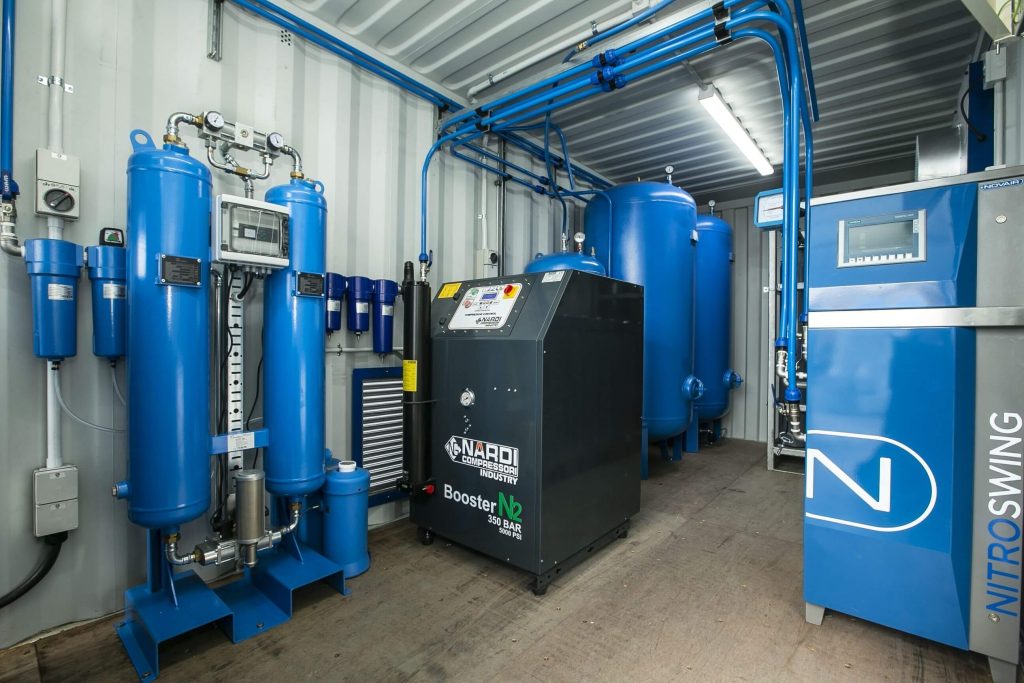
PneuTech vs PEAK vs Parker

It is a low-maintenance solution, with few moving parts, which translates to fewer opportunities for breakdowns. However, membrane systems are less efficient when it comes to generating nitrogen at very high purities, and the cost of nitrogen production increases as purity requirements rise. Operational efficiency is also influenced by the membrane’s lifespan and the quality of the air being processed, as impurities can degrade performance over time. On the other hand, pressure swing adsorption PSA technology provides higher purity nitrogen, typically up to 99. 9%, and is ideal for applications where higher-grade nitrogen is required. PSA works by using adsorbent materials that selectively trap oxygen and other gases when pressurized, releasing high-purity nitrogen as the pressure is reduced. While PSA systems are generally more efficient than membrane systems in terms of nitrogen purity and production capacity, they are more complex and require regular maintenance. The reliability of PSA technology is heavily dependent on the quality of the adsorbent materials and the integrity of the valves and pressure vessels.

 The efficiency of the process can be affected by factors such as temperature, pressure, and the presence of contaminants in the air, which may require more frequent maintenance or adjustments to ensure optimal performance. Cryogenic distillation is another nitrogen generation method used primarily in large-scale operations, where very high purities of nitrogen up to 99. 999% are required. This technology involves cooling air to extremely low temperatures to separate nitrogen from oxygen and other gases through their different boiling points. While cryogenic systems are highly efficient and reliable at large capacities, they are typically more costly due to the complexity of the process, the need for specialized equipment, and the energy-intensive nature of cooling the air to cryogenic temperatures. Additionally, cryogenic distillation systems require a larger physical footprint and may involve higher operational costs related to energy consumption and maintenance and click over here now https://www.industrialair.co.nz/blog/pneutech-vs-peak-vs-parker-nitrogen. However, in large-scale industrial operations, the economies of scale make this technology a preferred choice for producing large volumes of ultra-pure nitrogen consistently.

Home

The Sustainable Architectural Services For Green-Certified Buildings

Sustainable architectural services play a vital role in the creation of green-certified buildings, which are designed to minimize environmental impact and promote energy efficiency. These services are focused on integrating eco-friendly practices into the planning, design, construction, and operation of buildings. A green-certified building adheres to established standards that assess its sustainability across various factors, such as energy consumption, water efficiency, material use, and indoor environmental quality. Achieving green certification, such as LEED or other similar systems, requires a careful balance of design principles, innovative technologies, and a commitment to reducing the ecological footprint of the building throughout its lifecycle. One of the core aspects of sustainable architectural services is energy efficiency. Architects and designers work closely with engineers to create buildings that use renewable energy sources, such as solar panels, wind turbines, and geothermal systems, to minimize dependency on fossil fuels. Energy-efficient design also involves strategic planning for optimal insulation, natural lighting, and ventilation, which can significantly reduce the need for artificial heating, cooling, and lighting. These features help to lower operational costs and contribute to a reduced carbon footprint.

Introduction to the Architecture Course & Career Paths

Water conservation is another key focus of sustainable architectural services. By integrating water-efficient technologies such as rainwater harvesting systems, low-flow fixtures, and greywater recycling, architects ensure that buildings use water resources wisely. In addition, sustainable buildings often incorporate landscaping strategies that use drought-resistant plants or native species, reducing the need for excessive irrigation. These water-saving strategies help to conserve vital resources and lower utility bills for the building’s occupants. Materials selection is a critical consideration in sustainable architecture. Designers opt for locally sourced, recycled, and non-toxic materials that have a minimal environmental impact. For example, using sustainable timber, recycled steel, or low-VOC volatile organic compound paints contributes to reducing the building’s overall environmental footprint. The use of durable materials that have a long lifespan also minimizes the need for frequent repairs or replacements, thus reducing waste and resource consumption over time. Indoor environmental quality is essential to the health and well-being of the occupants.

Sustainable architectural services focus on maximizing natural light, ensuring proper ventilation, and using non-toxic finishes that improve air quality. These factors not only enhance the comfort of the building’s users but also reduce the need for mechanical systems that could increase energy consumption. Additionally, incorporating biophilic design elements, such as green walls or indoor plants, can further improve indoor air quality and create a more pleasant and productive environment for building occupants. Another important aspect of sustainable architecture is the overall site planning and the integration of the building into its natural surroundings. This involves assessing the site’s environmental conditions and designing the building to work with, rather than against, its environment. For example, sustainable architects may orient a building to take advantage of passive solar heating or use natural shading techniques to reduce the need for air conditioning. By considering factors such as local climate, site topography, and natural resources, these architects ensure that the building complements its surroundings, promoting ecological balance and sustainability.

Health

Achieve Inner Harmony with Gentle Probiotic Products for Women

Achieving inner harmony is a goal many women strive for in their busy and demanding lives. One of the most effective ways to achieve this sense of balance and well-being is by incorporating gentle probiotic products into daily routines. Probiotics, the  good  bacteria that support a healthy gut, play a pivotal role in maintaining overall wellness. They are particularly beneficial for women, as they help regulate digestion, boost immune function, and support mental clarity, all of which contribute to a feeling of inner harmony. Probiotics work by maintaining a healthy balance of bacteria in the digestive system, which is essential for optimal digestion and nutrient absorption. When the gut is in balance, it can reduce bloating, discomfort, and other digestive issues that can cause stress and disrupt your sense of well-being. This balance allows for smoother digestion, making you feel more comfortable and at ease throughout the day.

Moreover, the benefits of probiotics extend beyond digestion. The gut-brain connection is a powerful link, and a healthy gut has been shown to support emotional balance. Probiotics help to regulate the production of serotonin, often referred to as the  feel-good  hormone. This regulation can improve mood and reduce stress levels, helping women feel more relaxed and centered. In addition to their digestive and mood-boosting benefits, probiotics are known to enhance the immune system. A healthy gut houses a large portion of the body’s immune cells, so maintaining gut health is crucial for overall immunity. With a strengthened immune system, women are better equipped to handle stress, illnesses, and other challenges that might otherwise disrupt their inner peace.

Gentle probiotic gummies for women specifically formulated to meet their unique needs, often containing strains of probiotics that are tailored for feminine health. These products are designed to be easy on the digestive system, ensuring that women can reap the full benefits of probiotics without discomfort. Whether it is through probiotic supplements, yogurts, or other products, incorporating them into a daily regimen can be a simple yet effective step toward achieving greater harmony within. By nurturing both body and mind, probiotics create a foundation for long-term wellness. They are a natural, holistic way to achieve balance, allowing women to feel more energized, less stressed, and more at peace with themselves. Embracing these gentle, supportive products is an empowering way to take control of your health and cultivate a greater sense of inner harmony.

Health

Feed Your Muscles with Proven Sports Nutrition Science

Feeding your muscles effectively is essential for anyone serious about improving athletic performance, building strength, or enhancing recovery. The foundation of this process lies in proven sports nutrition science, which provides clear guidelines on how to nourish your body to optimize muscle growth, repair, and endurance. Understanding these principles can help athletes, fitness enthusiasts, and everyday exercisers maximize their efforts and reach their goals faster. Muscles require a consistent supply of high-quality nutrients to function and grow. Among these, protein plays the most critical role. Protein supplies the amino acids necessary for muscle repair and synthesis after exercise-induced damage. Scientific research consistently shows that consuming adequate protein   typically between 1. 2 to 2. 0 grams per kilogram of body weight daily   supports muscle hypertrophy and recovery. Sources like lean meats, dairy, eggs, and plant-based proteins such as beans and lentils provide the essential amino acids, particularly leucine, which acts as a key trigger for muscle protein synthesis. Timing is equally important; ingesting protein within the post-workout window, roughly 30 to 60 minutes after training, can enhance muscle repair processes and reduce soreness.

The Five Best and Worst Supplements For Your Gains – StrengthLog

Carbohydrates are another vital nutrient for muscle health and athletic performance. They serve as the primary energy source during moderate to high-intensity exercise. Glycogen, the stored form of carbohydrates in muscles and the liver, fuels prolonged physical activity. Without adequate carbohydrate intake, glycogen stores become depleted, leading to fatigue and impaired performance. Consuming sufficient carbohydrates before, during, and after exercise replenishes glycogen and supports sustained energy output. Whole grains, fruits, vegetables, and legumes are excellent carbohydrate sources, providing both energy and important micronutrients that aid muscle function. Hydration, often overlooked, is crucial in sports nutrition science. Muscles rely on water for cellular processes, nutrient transport, and waste removal. Dehydration negatively impacts strength, endurance, and recovery. Drinking fluids consistently throughout the day, and replenishing lost electrolytes during intense or prolonged workouts, ensures muscles stay hydrated and perform optimally.

Beyond macronutrients and hydration, certain micronutrients and supplements can support muscle health. Vitamins such as D and C, minerals like magnesium and zinc, and antioxidants help reduce inflammation and promote tissue repair. Additionally, supplements like creatine monohydrate have strong scientific backing for enhancing strength and muscle mass. Branched-chain amino acids BCAAs and omega-3 fatty acids also show benefits for muscle recovery and reducing exercise-induced muscle damage and look at this site https://www.topendsports.com/nutrition/supplements/new-sports-supplements.htm. Consistency in nutrition aligns with a well-structured training regimen to drive progress. While exercise creates the stimulus for muscle growth, nutrition provides the raw materials needed for repair and adaptation. Neglecting proper fueling can stall gains, increase injury risk, and impair overall health. By integrating these principles into daily routines, athletes and fitness lovers can enhance muscle performance, accelerate recovery, and achieve sustainable progress toward their fitness goals. This science-based approach ensures that your muscles receive everything they need to perform at their best and adapt to training demands efficiently.