
Curiosity about microdosing magic mushrooms has increased as scientific research continues exploring how very small amounts of naturally occurring compounds may influence the mind and body. Unlike larger doses that produce noticeable perceptual changes, microdosing generally involves amounts intended to remain below those effects. Researchers are carefully examining this practice through controlled studies to understand possible benefits, safety considerations, and biological mechanisms. While evidence is still developing, current findings provide valuable insights into this growing field of research. A balanced scientific approach helps separate measurable observations from assumptions while encouraging informed discussions supported by evidence.
Understanding Microdosing From A Scientific Perspective
Microdosing refers to taking very small quantities that are significantly below a standard dose.
Key characteristics include:
- Focus on subtle rather than intense effects
- Ongoing evaluation through clinical research
- Interest in cognitive and emotional functioning
- Careful monitoring during scientific studies
- Continued comparison with placebo results
- Emphasis on measurable outcomes
What Current Research Is Exploring
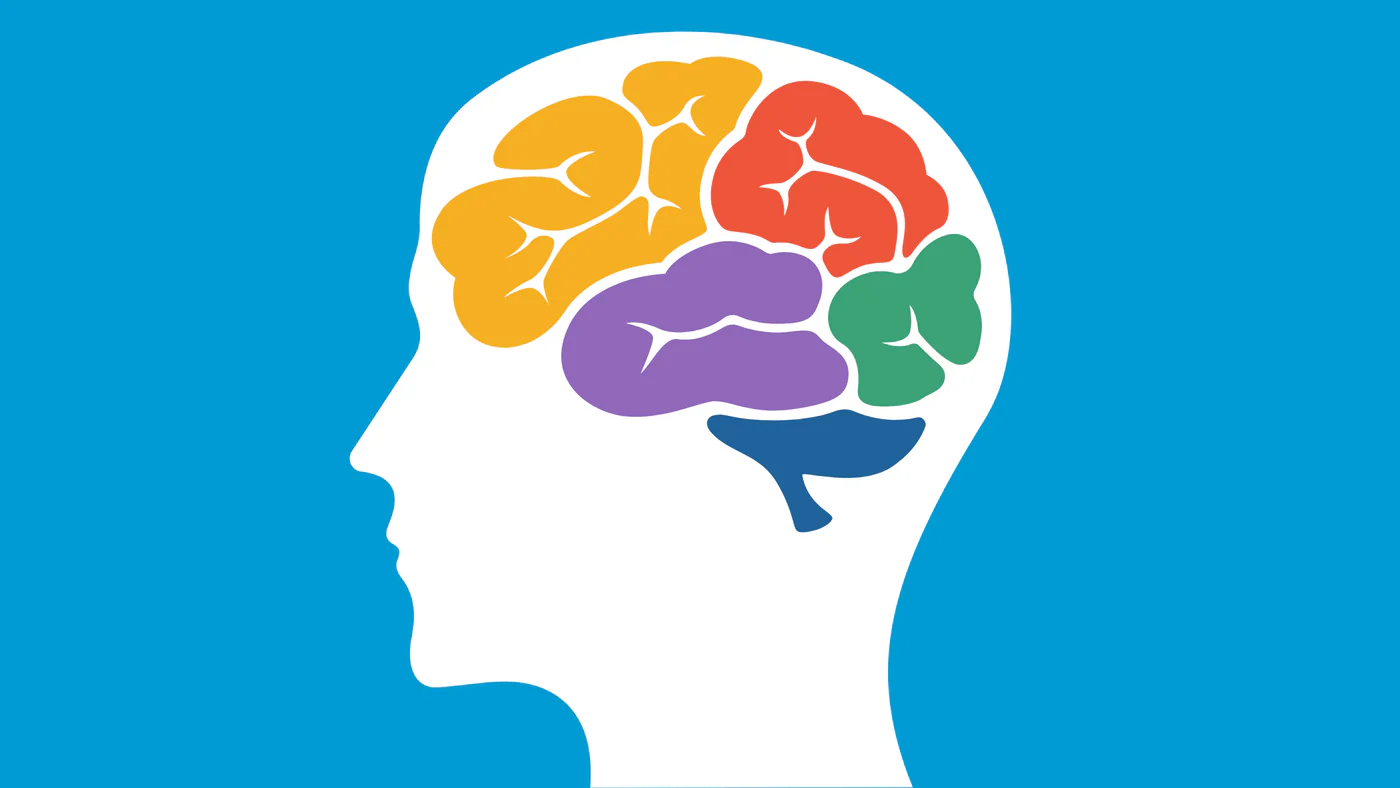
Scientists continue examining several areas that may be influenced by microdosing.
Research topics include:
- Attention and concentration
- Mood regulation
- Creative thinking
- Cognitive flexibility
- Emotional awareness
- Stress response patterns
- Learning processes
- Brain communication pathways
Many studies are designed to determine whether observed improvements result from biological activity, expectations, or a combination of both.
Scientific Evidence And Brain Activity
Researchers suggest that naturally occurring compounds may interact with specific brain receptors involved in communication between nerve cells. As investigations continue, scientists are measuring how these interactions may influence brain function.
Areas of scientific interest include:
- Neural connectivity
- Information processing efficiency
- Memory performance
- Emotional processing
- Adaptability of brain networks
- Cognitive resilience
Several discussions also explain concepts more clearly, and this content highlights how evidence based research encourages careful interpretation rather than broad assumptions.
Positive Findings Reported In Research
Although additional studies are needed, several investigations have reported encouraging observations.
Potential findings being explored include:
- Improved mental clarity
- Greater psychological flexibility
- Better emotional balance
- Enhanced creative problem solving
- Increased motivation
- Improved self reflection
- Greater focus during everyday activities
- Positive changes in overall well being
Researchers continue emphasizing that results may differ among individuals and should always be interpreted according to scientific evidence.
Why Evidence Based Research Matters
Reliable scientific investigations help create a clearer understanding of microdosing by using structured methods and objective measurements.
Evidence based research supports:
- Better data quality
- Consistent study designs
- Careful safety monitoring
- Accurate interpretation of findings
- Reduced influence of personal bias
- Improved understanding of long term effects
- Stronger scientific conclusions
- Continued advancement of knowledge
As additional research becomes available, scientists expect a more detailed understanding of how microdosing may influence cognitive and emotional processes. Careful investigation, transparent reporting, and repeated studies remain essential for building reliable evidence. Scientific exploration continues to provide valuable knowledge that encourages informed discussions while supporting a thoughtful, balanced, and evidence focused understanding of this developing area of research.