
Singapore is a strangely perfect cruise gateway. The airport runs like a Swiss watch, the port is efficient, and within a couple of sea days you can be eating street noodles in Penang, sipping something cold in Phuket, or drifting past Vietnam’s coastline with zero jet lag drama.
And yes, “luxury” gets thrown around. Some of these sailings are genuinely polished: smaller ships, higher crew-to-guest ratios, longer port stays, excursions that don’t feel like a cattle call. Others… are luxury in the same way a business-class seat is “a bed.” Nice, but not transformative.
Hot take: don’t pick the ship first
Pick the itinerary. Then pick the ship that runs it best.
I’ve seen travelers do the reverse and regret it. The prettiest suite in the world doesn’t fix a route that’s all short port calls and awkward overnight sailing.
So here’s a clearer way to think about Singapore departures: by length, geography, and the kind of experience the itinerary is built for. If you’re comparing luxury cruises from Singapore, this framework will help you choose based on the journey, not just the vessel.
One line, because it matters:
You’re not buying transportation, you’re buying pacing.
Quick luxury escapes (5, 7 nights): tight routes, high impact
These are the Singapore sailings that work when you want a hit of sea-time without turning your calendar inside out. They tend to loop the Malay Peninsula or dip into Thailand/Vietnam, with fewer long ocean stretches and a lot of “arrive early, leave late” energy if you book the right line.
Common 5, 7 night patterns from Singapore:
– Singapore → Penang → Langkawi → Phuket → Singapore
Classic for food and beaches. Penang is the star if you like walking cities.
– Singapore → Kuala Lumpur (Port Klang) → Phuket / Krabi area → Singapore
A mix of urban day trips and resort coastlines.
– Singapore → Ho Chi Minh City (via Phu My) → coastal Vietnam stop → Singapore
More cultural texture, fewer “pool day” ports.
Now, this won’t apply to everyone, but… on a short sailing I prioritize ports that are close to the pier. A gorgeous destination that requires a 2.5-hour transfer can make a 6-night itinerary feel like a commute.
What these short sailings do well
They’re built for momentum. You get aboard, you settle in, you wake up somewhere new almost immediately. The better operators also use sea days intelligently: spa programming, chef demos, and quieter lounge entertainment instead of big-theatre spectacle.
What they don’t do well
Deep immersion. If you want three days in one place, this isn’t that.
Ultra-luxury Southeast Asia voyages: smaller ships, smarter port choices
Here’s the thing: Southeast Asia rewards the lines that can dock closer, tender efficiently, and stay longer. That’s why ship size matters more here than it does in, say, the Caribbean.
On many ultra-luxury routes, you’ll see Singapore paired with combinations like:
– Thailand (Phuket) + Malaysia (Penang/Langkawi) for coastal ease and food
– Vietnam (Ho Chi Minh City, Nha Trang, Da Nang) for history, craft, and architecture
– Cambodia (often via Sihanoukville or longer land excursions to Angkor) for the bucket-list cultural day
– Hong Kong when the itinerary stretches north
Expect the “luxury” to show up in the seams: private cars instead of big buses, guides who don’t rush you, and excursions that feel curated rather than copy-pasted. The best versions include odd little delights, craft workshops, market walk-throughs that turn into lunch, small performances that aren’t staged like theme parks.
One opinion, based on experience: if a Southeast Asia luxury itinerary includes Halong Bay, pay attention to season and visibility. Mist can be gorgeous… or it can swallow the scenery. You want a line that has contingency planning and realistic timing.
Grand Asia-to-Asia voyages: Singapore to Hong Kong, Bangkok, Tokyo (and beyond)
These are longer sailings, often 10 nights up to multi-week runs, that treat Singapore as a starting node in a broader Asia network. They’re less “quick escape,” more “structured sabbatical.”
A typical grand-voyage shape might look like this:
– Singapore as embarkation
– A run up through Vietnam and/or China
– Hong Kong as a marquee urban port
– A Japan stretch that can end in Tokyo (or sometimes Yokohama)
Another common branch heads west/northwest:
– Singapore → Malaysia → Thailand (Laem Chabang for Bangkok) → Vietnam → Hong Kong
Planning reality check (specialist mode)
Longer Asia itineraries introduce complexity: immigration requirements, domestic flight positioning if you disembark far from Singapore, and seasonal itinerary changes due to weather. You’re buying a networked trip, not a simple loop.
Also, book shore excursions early on these routes. The best ones, small-group temple access, private after-hours museum visits, chef-led market tours, fill up fast.
A single stat, because people ask: Singapore’s cruise terminal (Marina Bay Cruise Centre) has been designed to handle large passenger volumes, up to 6,800 passengers at a time, according to the Singapore Cruise Centre. That throughput is great for efficiency, but it also explains why embarkation day can feel “busy” on megaships.
Source: Singapore Cruise Centre (MBCC facts and figures)
Themed sailings: culinary, wellness, and private-island vibes
Not every itinerary is about geography. Some are built around a mood.
Culinary-forward itineraries
These usually layer experiences like:
– market visits with a chef
– port-focused tasting menus onboard
– pairing dinners featuring regional spirits (yes, including Southeast Asian botanicals and rums)
– occasional cooking classes that are actually hands-on, not just theatre
Look, food can be a gimmick at sea. But when it’s done right, it anchors memory. You’ll remember a bowl of laksa in Penang longer than a generic “pan-Asian buffet night.”
Wellness-focused sailings
These tend to be quieter by design: more sea-day programming, more sunrise movement sessions, more spa integration. If the ship has a strong thermal suite and smart scheduling, it works beautifully. If it’s just “we added two yoga classes,” it’s fluff.
Private island / exclusive beach days
In Southeast Asia, “private island” often means a controlled beach experience rather than a whole island you roam freely. Still: fewer vendors, better service logistics, and a calmer shore day. That can feel priceless mid-itinerary.
Ship types from Singapore: what changes when the ship changes
Not a moral judgment, just physics and logistics.
Boutique yachts / small ships
– Often better access and more flexible port planning
– More personal service, fewer lines
– Less nightlife spectacle (which is either a relief or a disappointment)
Mid-size luxury ships
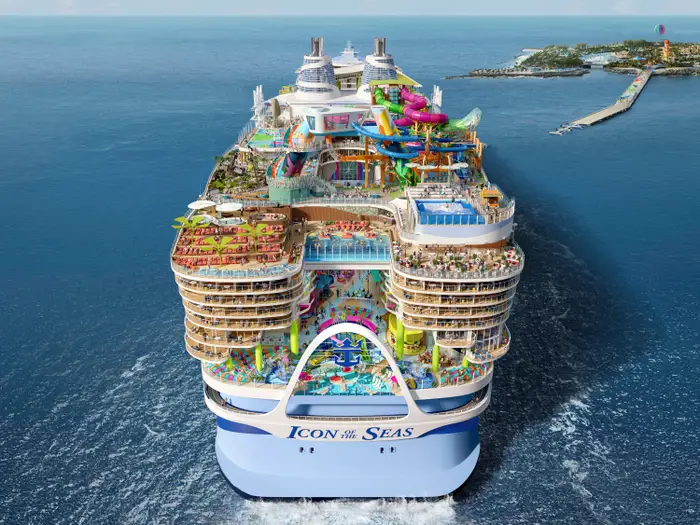
This is the sweet spot for many travelers: enough dining variety and entertainment to keep sea days lively, but not so huge that you feel like you’re navigating a floating mall.
Megaships with “luxury” tiers
Some offer ship-within-a-ship concepts: private lounges, priority embarkation, dedicated dining. When executed well, it’s a strong value. When executed poorly, you still feel the crowd, you just paid more to avoid it.
One-line paragraph, because it’s true:
Crowd management is part of luxury.
Cabins: the under-discussed luxury decision
People obsess over restaurants and forget they’ll spend real time in the cabin. On Singapore itineraries, especially shorter ones with packed port days, you want a room that helps you recover fast.
What I’d personally prioritize:
– strong soundproofing (busy ships can be noisy near atriums)
– a bathroom layout that doesn’t bottleneck in the morning
– lighting controls that don’t require an engineering degree
– a balcony if you love sail-ins and sail-outs (Singapore’s departure is genuinely pretty at night)
And yes, the cabin location matters. Midship can reduce motion; near elevators can reduce walking; near nightlife can reduce sleep.
Pick your poison.
Choosing the right Singapore departure (a practical filter)
If you’re stuck comparing five glossy brochures, use this quick decision grid:
Choose a shorter (5, 7 night) sailing if:
– you want minimal planning and fast payoff
– you care more about comfort than deep cultural time
– your ideal day is “one good excursion + a long lunch + spa”
Choose a longer Asia-to-Asia voyage if:
– you want variety across cultures and cuisine styles
– you don’t mind occasional sea-day stretches
– you’re happy to plan visas, transfers, and contingencies
Choose a themed itinerary if:
– you want the ship’s program to be the main event
– you like structured experiences (chef’s table, wellness tracks, guided tastings)
– you don’t need every port to be a headline destination
Timing, pricing, and booking hacks (not glamorous, very effective)
Look, this is where people either save serious money or accidentally spend it.
– Shoulder seasons often deliver better value and calmer crowds, but Southeast Asia has weather tradeoffs (rain, haze, humidity). Decide what you tolerate.
– Inclusions are the real price. Gratuities, port fees, drinks, Wi‑Fi, specialty dining, and excursions can swing the value wildly between “luxury” brands.
– Air positioning matters. If your cruise ends in Tokyo or Hong Kong, don’t book the tightest possible flight home. I’ve seen weather and port changes create expensive chaos.
– Insurance isn’t optional if the cruise cost is meaningful to you (medical coverage and missed connection protection are the big ones).
And one opinionated note: if a deal looks unbelievable, it’s usually because the itinerary has short port calls, awkward arrival times, or less desirable cabin inventory. Price reflects friction.
Singapore makes it easy to board. The trick is picking a sailing that matches your tempo, restless, curious, food-obsessed, spa-minded, or all of the above depending on the day.